Baby~Pourri vs. Traditional Baby Products: A Natural Odor Control Comparison
By Pourrimalls | Published: 2026-05-24
Category: Product Reviews
Compare Baby~Pourri natural odor control solutions with traditional baby products. Discover why diaper odor eliminators, flushable wipes, and natural sprays outperform chemical-laden alternatives for a fresher nursery.
Every parent knows the struggle: you change a diaper, toss it in the pail, and within minutes, the nursery smells like a war zone. Traditional baby products promise odor control but often rely on synthetic fragrances, harsh chemicals, or simply mask the smell. Enter Baby~Pourri—a natural, enzyme-based line designed to eliminate odors at the source. In this comprehensive comparison, we’ll pit Baby~Pourri against conventional baby odor eliminators, exploring ingredients, effectiveness, safety, and value. Whether you’re a new parent or a seasoned pro, this guide will help you make an informed choice for your little one’s nursery.
Why Odor Control Matters in the Nursery
Babies produce an astonishing amount of waste—up to 10 diaper changes a day in the first few months. Without proper odor control, that waste can quickly overwhelm a room, making it unpleasant for both baby and parents. More importantly, many traditional products use volatile organic compounds (VOCs) and artificial fragrances that can irritate a baby’s sensitive respiratory system. Natural alternatives like Baby~Pourri offer a safer path, using essential oils and plant-based enzymes to neutralize odors without compromising indoor air quality.
Traditional Baby Odor Control Products: What’s in the Bottle?
Traditional diaper pail deodorizers, room sprays, and wipes often contain a cocktail of synthetic chemicals. Common ingredients include phthalates (to make fragrances last longer), parabens (as preservatives), and artificial dyes. While these products may temporarily mask odors, they don’t eliminate the root cause—bacteria and enzymes that break down waste. Moreover, the strong, perfume-like scents can be overwhelming for babies and may trigger allergic reactions or asthma symptoms in sensitive children.
The Masking Problem
Think of traditional sprays as throwing a blanket over a messy room—you can’t see the mess, but it’s still there. The same goes for odor: masking agents cover up smells without neutralizing them. This means that once the fragrance fades, the original odor returns, often stronger than before. Parents end up using more product, creating a cycle of chemical exposure that isn’t ideal for a growing baby.
Baby~Pourri: A Natural Approach to Diaper Odor
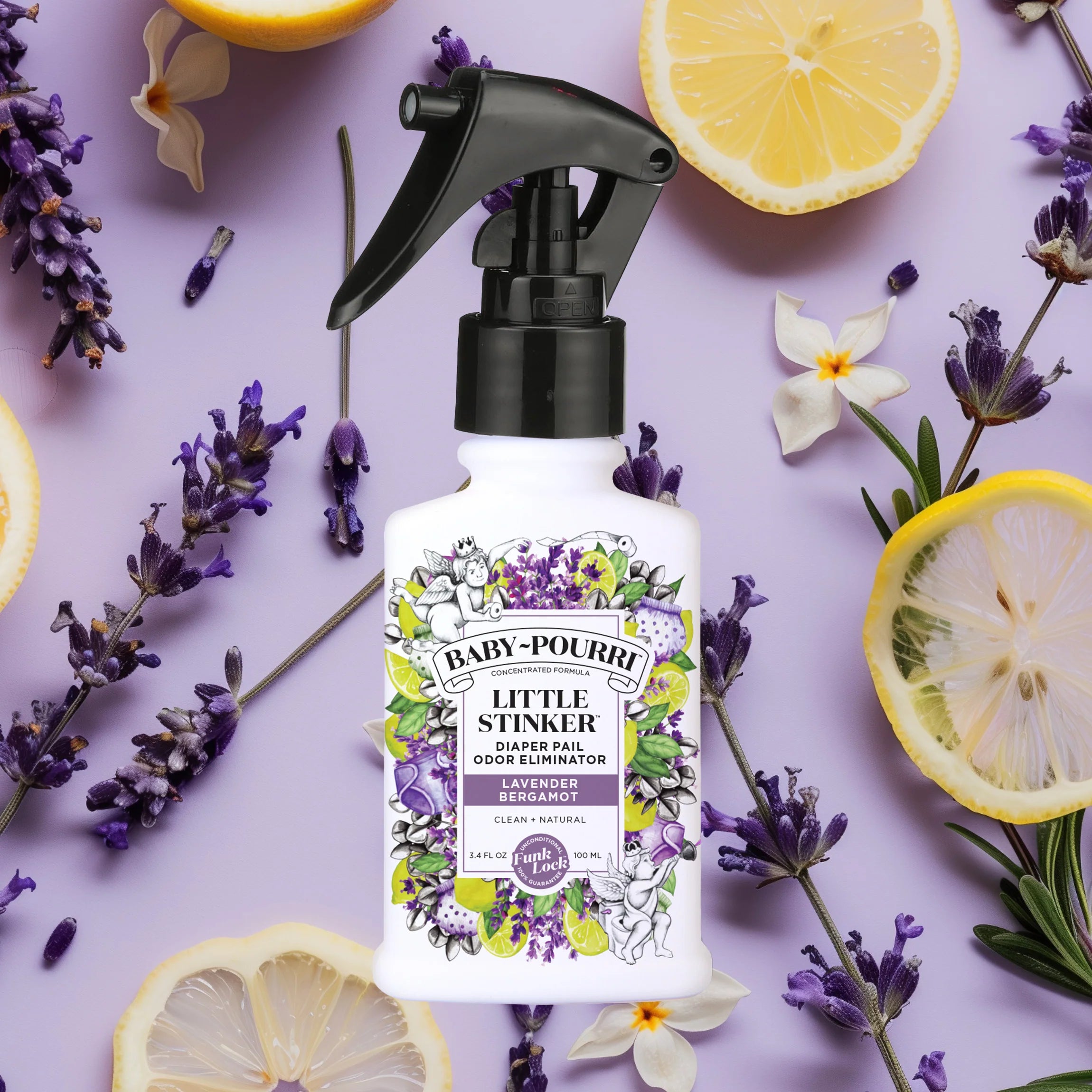
Baby~Pourri takes a completely different approach. Instead of masking, its formulas use enzyme technology—specifically, essential oils like lavender, chamomile, and citrus—that break down odor-causing molecules at a molecular level. The result? Odors are eliminated, not covered up. Plus, the scents are gentle and derived from nature, making them safe for even the most sensitive noses.
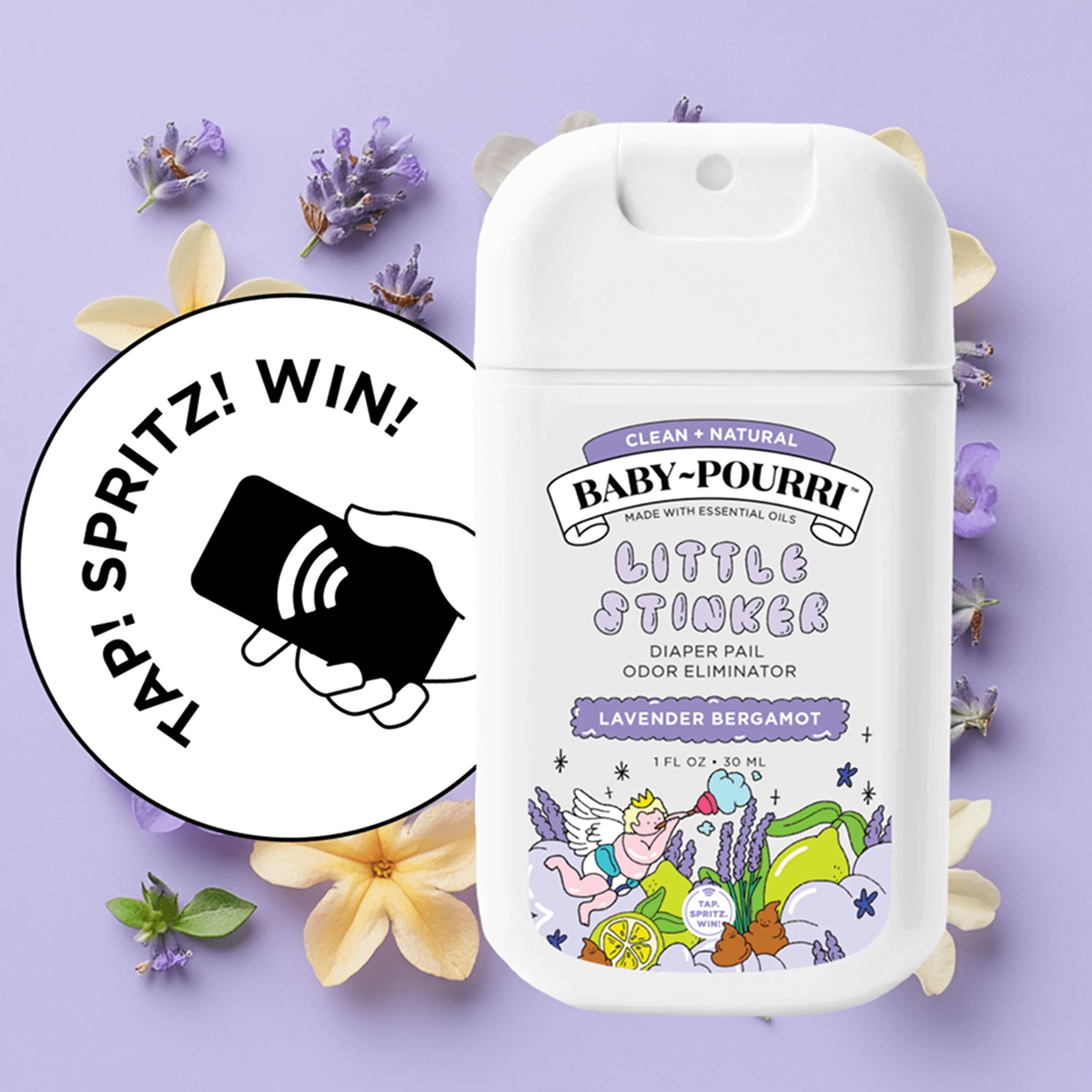
One standout product is the Cucumber Aloe Flushable Wipes - Poo~Pourri. These wipes are not only flushable (safe for septic systems) but also infused with aloe vera and cucumber extract to soothe baby’s delicate skin. They’re free from alcohol, parabens, and phthalates, making them a healthier alternative to traditional baby wipes that often contain drying alcohols. Another essential is the Pink Citron Pocket Sprayer - Poo~Pourri Toilet Spray, a compact, enzyme-based spray that you can use on diapers, diaper pails, or even in the bathroom. Its zesty pink citron scent is refreshing and effective, and it fits easily in a diaper bag.
Head-to-Head Comparison: Baby~Pourri vs. Traditional Products
| Feature | Traditional Baby Products | Baby~Pourri |
|---|---|---|
| Odor Control Method | Masking with synthetic fragrances | Enzyme neutralization with essential oils |
| Key Ingredients | Phthalates, parabens, artificial dyes, alcohol | Plant-based enzymes, aloe vera, cucumber, citrus oils |
| Baby Safety | May irritate skin and lungs; known allergens | Hypoallergenic, dermatologist-tested, no harsh chemicals |
| Effectiveness Duration | Short-lived; reapplication needed | Long-lasting; eliminates odors for hours |
| Eco-Friendliness | Often non-biodegradable; aerosol cans | Biodegradable formulas; recyclable packaging |
| Price Point | Generally lower upfront, but higher usage | Slightly higher upfront, but concentrated and lasts longer |
Babies and Sensitive Skin: Why Natural Wins
Baby’s skin is 30% thinner than adult skin, making it more permeable to chemicals. Traditional wipes and sprays can strip natural oils and cause diaper rash or contact dermatitis. Baby~Pourri’s wipes and sprays are formulated to be gentle: the Cucumber Aloe Flushable Wipes - Poo~Pourri, for example, contain soothing aloe vera and are alcohol-free, helping to maintain your baby’s skin barrier. Additionally, the enzyme sprays break down odor without leaving a chemical residue that could transfer to baby’s skin during diaper changes.
Cost Analysis: Is Natural Worth the Investment?
Traditional baby deodorizers often cost less per ounce, but you use more of them because the effect fades quickly. A $5 spray might last a week. Baby~Pourri products, while slightly more expensive upfront, are highly concentrated. A single bottle of Pink Citron Pocket Sprayer can last several months when used as directed—spritzing the diaper pail after each change or directly on the diaper before disposal. Over a year, the cost difference narrows significantly, and the health benefits for your baby are priceless.
Real Parent Reviews: What the Community Says
Many parents who switch to Baby~Pourri report a noticeable difference in nursery air quality. “I used to light candles after every diaper change,” says Sarah M., a mom of two. “With Baby~Pourri, I just spray the pail and the smell is gone instantly—no chemical scent, just fresh air.” Another parent, James L., notes that his daughter’s eczema improved after switching to flushable wipes from Baby~Pourri instead of traditional brands. These real-world experiences underscore the practical benefits of natural odor control.
Beyond the Nursery: Versatility of Baby~Pourri Products
While designed for baby care, Baby~Pourri products are versatile enough for other uses. The Pink Citron Pocket Sprayer works wonders in the bathroom, diaper bag, or even the car. The flushable wipes are great for quick cleanups on the go—not just for diaper changes but also for sticky hands or faces. This multi-use capability adds value beyond traditional baby products, which are often single-purpose.
Environmental Impact: A Greener Choice
Traditional baby product packaging is often plastic-heavy and non-recyclable. Baby~Pourri uses recyclable materials and focuses on biodegradable formulas. The flushable wipes are made from plant fibers that break down in water, unlike many “flushable” wipes that contain polyester and clog pipes. Choosing natural also means fewer chemicals entering the water system during manufacturing and disposal.
How to Make the Switch
Transitioning from traditional products to Baby~Pourri is simple. Start by replacing your diaper pail deodorizer with the Pink Citron Pocket Sprayer—spray the pail liner after each change. Swap out your wipes for the Cucumber Aloe version. You’ll likely notice a fresher nursery within days. For stubborn odors (like diaper pails that have been used for months), a deep clean followed by regular spraying will restore freshness.
Final Verdict: Baby~Pourri Takes the Crown
When comparing Baby~Pourri to traditional baby odor control products, the natural option wins on safety, effectiveness, and environmental responsibility. While the upfront cost may be slightly higher, the long-term benefits for your baby’s health and your home’s air quality are undeniable. If you’re ready to ditch the synthetic fragrances and embrace a cleaner, fresher nursery, start with the products that parents trust.
Ready to transform your nursery? Explore the Pink Citron Pocket Sprayer - Poo~Pourri Toilet Spray today and experience the difference natural odor control can make. Your baby—and your nose—will thank you.