How to Freshen Up Pet Bedding Naturally: Non-Toxic Sprays and Washes for Dog and Cat Beds
By Pourrimalls | Published: 2026-06-04
Category: How-to Guides
Learn how to naturally deodorize and clean your dog or cat's bedding with non-toxic sprays, washing tips, and eco-friendly products from Pourrimalls. Keep your pet's space fresh and chemical-free.
Pet bedding is a magnet for odors—from drool and dander to muddy paws and the occasional accident. While commercial pet deodorizers often rely on harsh chemicals, fragrances, and synthetic dyes, many pet parents are seeking natural, non-toxic alternatives. Whether you have a dog that loves to roll in the grass or a cat that claims every cushion, keeping their bed fresh doesn't have to mean exposing them to irritants. In this guide, we'll explore effective, pet-safe methods to freshen up pet bedding naturally, including washing techniques, natural sprays, and products from Pourrimalls that make odor control simple and safe.
Why Choose Non-Toxic Pet Bedding Fresheners?
Your pet spends hours each day on their bed, breathing in any residues left behind. Traditional fabric fresheners often contain phthalates, parabens, and synthetic musks that can trigger allergies, skin irritations, or respiratory issues in sensitive animals. Non-toxic alternatives—like those using essential oils or plant-based ingredients—offer a gentler approach. They neutralize odors without masking them, and they break down naturally without leaving chemical buildup on fabrics. For pet owners committed to a holistic home, switching to natural sprays and washes is a small change that makes a big difference.
Step-by-Step Guide to Naturally Freshen Pet Bedding
1. Wash Pet Beds with a Gentle, Non-Toxic Detergent
The foundation of any bedding freshening routine is a thorough wash. Most pet beds have removable covers—check the tag for washing instructions. Use a fragrance-free, plant-based detergent to avoid irritating your pet's skin. For stubborn odors, add half a cup of white vinegar to the rinse cycle; it neutralizes ammonia from urine and softens fabric naturally. Avoid fabric softeners, as they coat fibers with chemicals and can trap odors. After washing, dry the bed completely—dampness promotes mold and mildew growth.
2. Use a Natural Odor-Eliminating Spray Between Washes
Not every odor requires a full wash. A quick spritz with a non-toxic spray can refresh bedding daily or after a muddy walk. Pourrimalls offers several pet-safe options. For example, the Little Stinker - Baby-Pourri Diaper Pail Freshener is formulated with plant-based enzymes that break down odors at the source—perfect for neutralizing pet smells on fabric. While originally designed for diaper pails, its gentle formula works wonders on pet bedding, cushions, and blankets. Simply spray lightly over the surface (avoid saturating) and let it air dry. The light, fresh scent is pleasant for humans and non-irritating for pets.
3. Incorporate a Room Spray for Overall Freshness
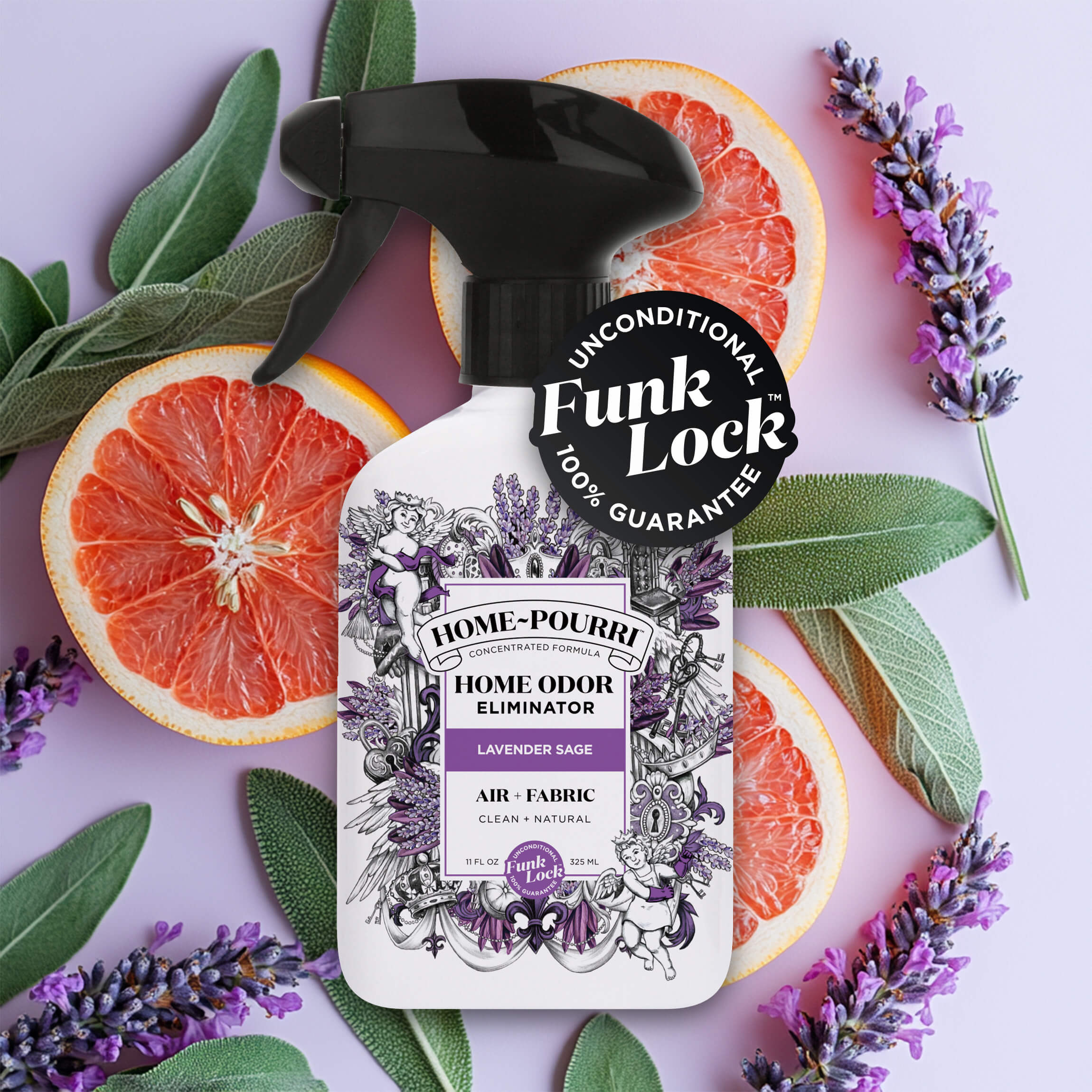
Sometimes the bedding itself isn't the only culprit; the surrounding area can hold onto pet odors too. A natural room spray helps maintain a clean-smelling environment. Pourrimalls' Balsam Fir - Home~Pourri Room Spray delivers a crisp, woodsy aroma derived from essential oils. It's free from phthalates and synthetic preservatives, making it safe to use near pets. A few spritzes around the bed area—on the floor, curtains, or nearby furniture—can elevate the entire room's freshness. The balsam fir scent also has natural antibacterial properties, adding an extra layer of cleanliness.
4. Sprinkle Baking Soda Before Vacuuming
For a deep, dry refresh, baking soda is a time-tested natural deodorizer. Sprinkle it generously over the pet bed (if the cover is removable, apply to the fabric before washing), let it sit for 15–30 minutes, then vacuum thoroughly. Baking soda absorbs oils, moisture, and odors without harsh chemicals. For an extra boost, mix in a few drops of lavender or chamomile essential oil (pet-safe options) before sprinkling. This method works well for memory foam beds that can't be machine-washed.
5. Air It Out Regularly
Sunlight is nature's best disinfectant. On a sunny day, take your pet's bedding outside and let it bask in direct sunlight for a few hours. UV rays kill bacteria and mold spores, while fresh air helps dissipate odors. If you live in an apartment, placing the bed near an open window can still provide ventilation benefits. This simple, zero-cost habit extends the time between washes and keeps bedding feeling fresh.
Comparing Natural Pet Bed Freshening Methods
To help you choose the best approach for your routine, here's a quick comparison:
| Method | Best For | Frequency | Key Benefit |
|---|---|---|---|
| Machine wash with vinegar | Deep cleaning | Weekly or bi-weekly | Removes embedded dirt and odors |
| Natural spray (e.g., Little Stinker) | Daily touch-ups | As needed | Enzymes break down odor molecules |
| Baking soda sprinkle | Non-washable beds | Every 1–2 weeks | Absorbs moisture and oils |
| Room spray (e.g., Balsam Fir) | Overall freshness | Daily or after cleaning | Enhances ambiance and neutralizes room odors |
| Sunlight/airing | Bacteria and mold | Weekly | UV disinfection, zero cost |
Tips for Choosing the Right Natural Spray for Pet Bedding
When selecting a spray for pet bedding, look for products labeled as non-toxic, plant-based, and free from synthetic fragrances. Avoid sprays with high concentrations of essential oils like tea tree or eucalyptus, which can be toxic to cats especially. Pourrimalls' pet-friendly sprays are formulated with safe, low-concentration essential oils and natural enzymes. The Little Stinker - Baby-Pourri Diaper Pail Freshener is particularly effective because it targets odor-causing bacteria without relying on masking fragrances—just a light, clean scent. Always test a small area first to ensure the fabric doesn't stain.
How Often Should You Clean Pet Bedding?
Frequency depends on your pet's habits and health. For most households, washing the bed cover every 1–2 weeks is sufficient. However, if your pet has allergies, skin conditions, or is prone to accidents, increase to weekly washes. In between, a daily spritz with a natural deodorizer keeps odors at bay. For cats, who are more sensitive to smells, aim for a clean bed at least once a week. Remember, a clean bed isn't just about odor—it reduces the risk of flea infestations, bacteria, and allergens that can affect both pets and humans.
Common Mistakes to Avoid
- Using bleach or ammonia-based cleaners: These can irritate your pet's skin and respiratory system. Stick to vinegar or enzymatic sprays.
- Over-spraying with essential oils: Even natural oils can be harmful if used excessively. Follow product instructions and dilute if needed.
- Skipping the drying step: Damp bedding breeds mold and bacteria. Always dry thoroughly, especially for memory foam.
- Ignoring the filler: If the bed has a removable cover but the inner cushion smells, try sprinkling baking soda inside and vacuuming after a few hours.
FAQs About Natural Pet Bedding Freshening
Can I use Poo~Pourri sprays on pet bedding?
While Poo~Pourri sprays are designed for toilet use, their formulas are generally non-toxic and plant-based. However, they may have stronger scents intended for bathroom settings. For pet bedding, a dedicated enzyme spray like the Little Stinker is more suitable because it targets pet-specific odors without overwhelming fragrance.
Are essential oil sprays safe for cats?
Cats lack certain liver enzymes to metabolize many essential oils, so caution is needed. Sprays with low concentrations of safe oils (like lavender or chamomile) are typically fine when used in well-ventilated areas and not directly on the cat. Always choose products labeled cat-safe and avoid direct application.
How do I remove stubborn urine smells from a dog bed?
First, blot up as much urine as possible. Then, apply an enzymatic spray (like the Little Stinker) to break down the uric acid crystals. Let it sit for 10–15 minutes, then wash with vinegar in the rinse cycle. For old stains, repeat the process. Avoid heat drying until the smell is gone, as heat can set odors.
Conclusion: A Fresh, Natural Bed for Your Furry Friend
Keeping pet bedding fresh and clean doesn't require harsh chemicals. With regular washing, natural sprays, baking soda treatments, and plenty of sunlight, you can maintain a healthy environment for your dog or cat. Pourrimalls offers a range of non-toxic sprays that integrate seamlessly into your routine—enzymatic formulas for spot treatments and room sprays for overall freshness. Start with the Little Stinker - Baby-Pourri Diaper Pail Freshener to tackle daily odors, or try the Balsam Fir - Home~Pourri Room Spray to freshen the entire space. Your pet will thank you for a clean, cozy, and naturally fresh bed.
Ready to give your pet's bedding a natural refresh? Explore Pourrimalls' collection of non-toxic sprays and discover the Little Stinker - Baby-Pourri Diaper Pail Freshener—a gentle yet powerful solution for keeping pet odors at bay. Your furry friend deserves a clean, chemical-free space to rest.