Natural Room Sprays vs. Essential Oil Diffusers: Which Is Better for Your Home?
By Pourrimalls | Published: 2026-06-01
Category: Product Reviews
Compare natural room sprays and essential oil diffusers for home fragrance. Discover which non-toxic method suits your space, lifestyle, and scent preferences.
When it comes to scenting your home naturally, two popular options stand out: natural room sprays and essential oil diffusers. Both offer a non-toxic alternative to synthetic plug-ins and candles, but they work in very different ways. If you're torn between a quick spritz and a continuous mist, this guide will help you decide. We'll break down the pros and cons of each method, compare their coverage, cost, and safety, and show you how to choose the perfect scenting solution for every room.
How Natural Room Sprays Work
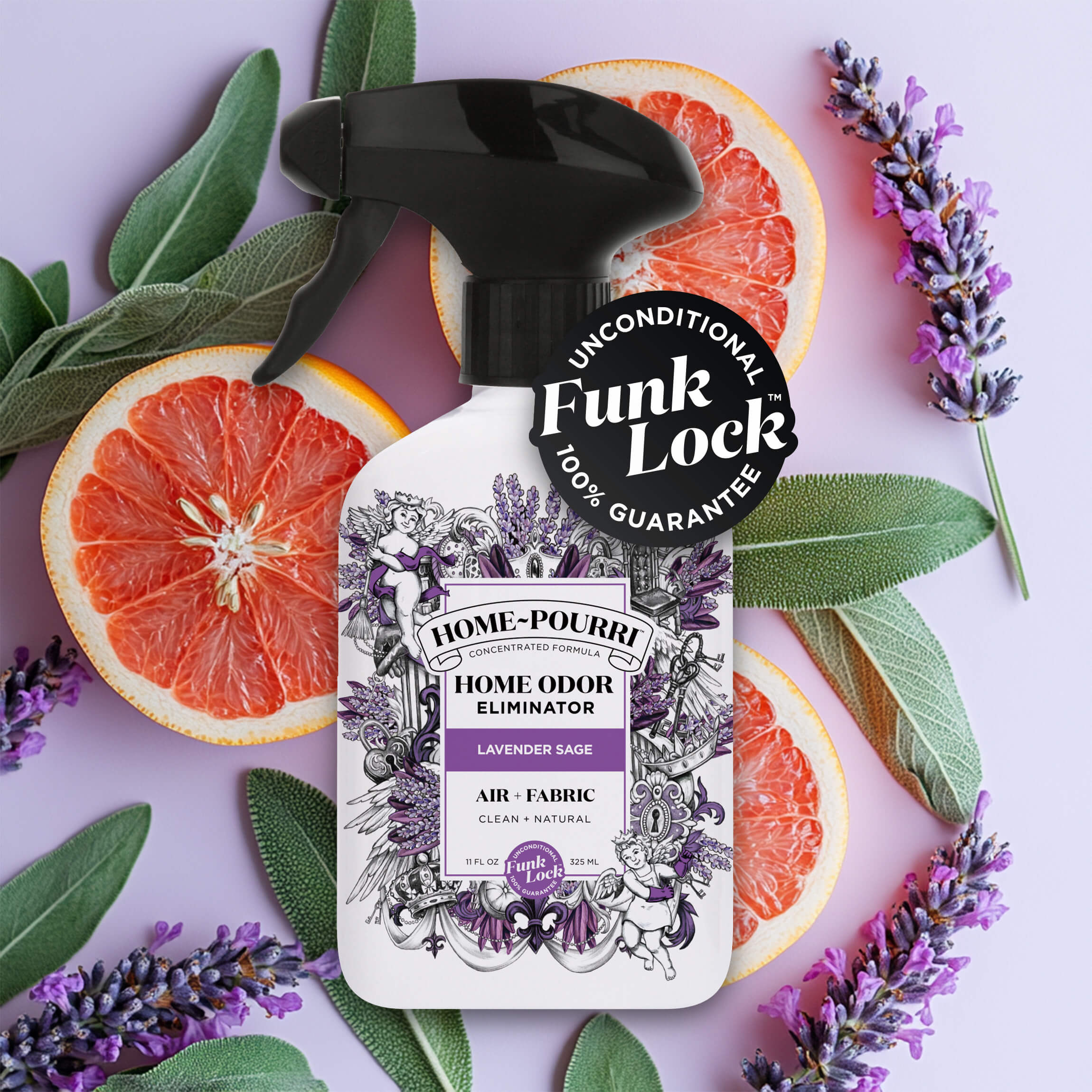
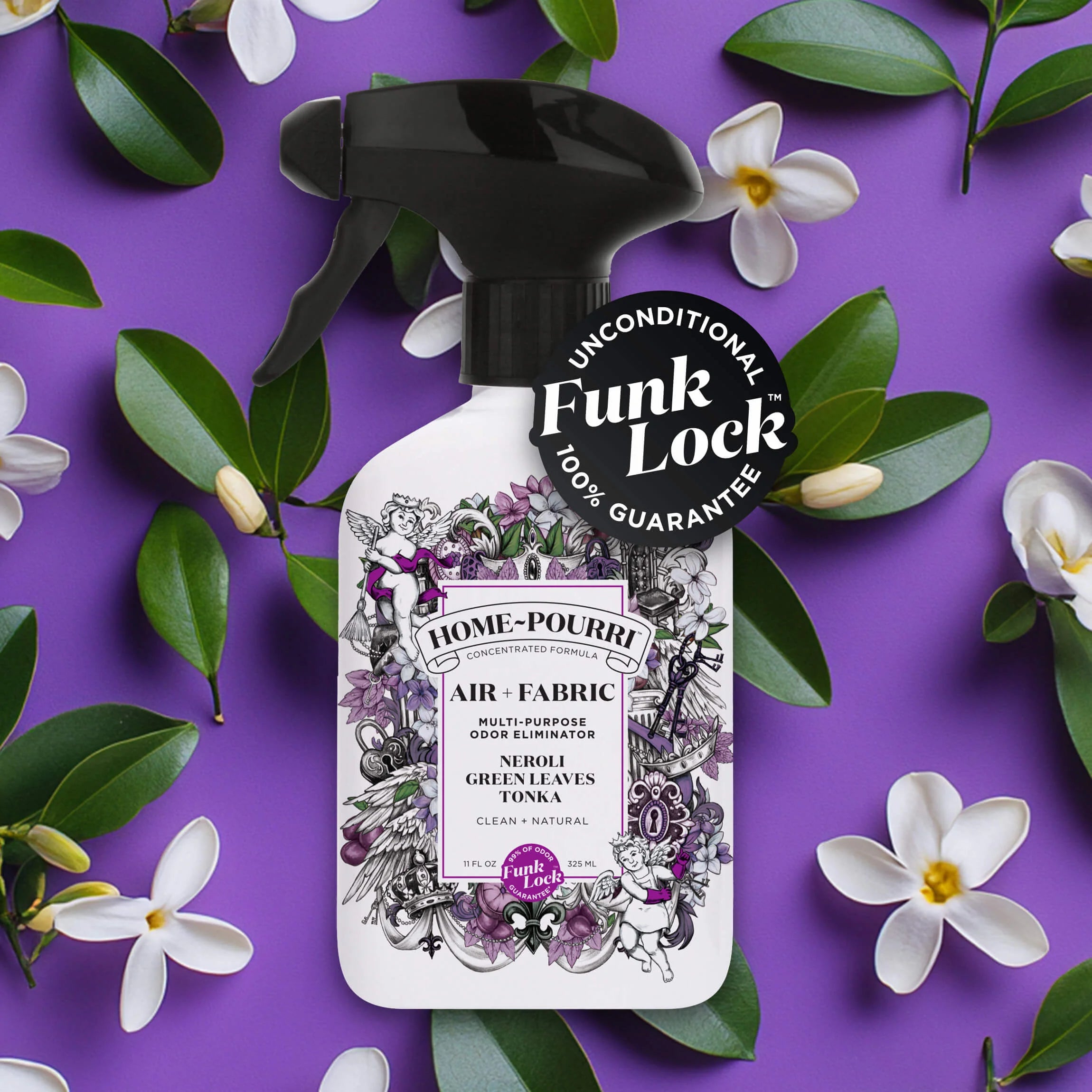
Natural room sprays, like the Bamboo Rain - Home~Pourri Room Spray, deliver a burst of fragrance on demand. Made with essential oils and water or a plant-based base, they are designed to be misted into the air, onto fabrics, or into a room's atmosphere. The scent lingers for a few hours, depending on ventilation and surface absorption. Room sprays are ideal for quick fixes—freshening up a guest bathroom before visitors arrive, masking cooking odors after dinner, or adding a clean scent to linens.
One of the biggest advantages of natural room sprays is their portability. You can keep a bottle in your kitchen, office, or car, and use it whenever you want a scent refresh. They require no electricity, no water refills, and no maintenance beyond an occasional wipe of the nozzle. For people who want control over when and where a scent appears, room sprays are a no-brainer.
How Essential Oil Diffusers Work
Essential oil diffusers, on the other hand, provide continuous, ambient scenting. Most diffusers use ultrasonic technology to break down essential oils into a fine mist, which is then dispersed into the air over several hours. They can cover larger areas—a medium-sized living room or open-concept space—and the scent lasts as long as the diffuser runs, often 4-8 hours depending on the model. Diffusers also add a small amount of humidity to the air, which can be beneficial in dry climates.
Diffusers are excellent for creating a consistent atmosphere. You can set them on a timer or run them overnight for a calming sleep environment. They require more setup than a spray: you need to add water and a few drops of oil, clean the unit periodically, and replace the diffuser mechanism over time. But for those who love a steady, gentle fragrance throughout the day, diffusers are hard to beat.
Room Spray vs Diffuser: Key Differences
| Feature | Natural Room Spray | Essential Oil Diffuser |
|---|---|---|
| Scent delivery | Instant, short bursts | Continuous, long-lasting mist |
| Coverage area | Small to medium rooms (up to 200 sq ft per spray) | Medium to large rooms (up to 500 sq ft) |
| Duration of scent | 30 minutes to 2 hours | 4–8 hours (or as long as it runs) |
| Setup & maintenance | None; just spray | Fill water, add oil, clean weekly |
| Portability | High (fits in a bag or cup holder) | Low (needs a flat surface and outlet) |
| Cost per use | $0.10–$0.30 per spray | $0.05–$0.15 per hour (plus initial device cost) |
| Humidity added | Negligible | Yes, slight increase |
| Best for | Quick fixes, travel, small spaces | All-day scenting, relaxation, large rooms |
Non-Toxic Air Freshener: Safety and Ingredients
Both natural room sprays and diffusers can be non-toxic, but it depends on the ingredients. A quality natural room spray uses only essential oils, water, and a natural emulsifier like alcohol or vegetable glycerin. The Bamboo Rain - Home~Pourri Room Spray, for instance, is crafted with pure essential oils and no synthetic fragrances or phthalates. Similarly, a diffuser that uses 100% pure essential oils is free from artificial chemicals.
However, diffusers require careful oil selection. Some essential oils (like cinnamon or clove) can be irritating to pets or sensitive individuals when diffused over long periods. Room sprays, because they are used in short bursts, pose less risk of overexposure. For families with young children or pets, a room spray might be the safer choice for quick odor elimination without continuous inhalation.
Home Scenting Methods: Which Rooms Deserve Which?
Your choice between a room spray and a diffuser can depend on the specific room and its function. Here's a quick guide:
- Living Room: A diffuser works well for all-day ambiance. Choose a calming scent like lavender or bamboo rain for relaxation.
- Kitchen: A room spray is better here because you only need a quick freshener after cooking. Diffusers can get greasy and need more cleaning.
- Bathroom: Room spray is ideal for after-toilet use. For a continuous fresh scent, you could also use a diffuser on a low setting.
- Bedroom: Both work. A diffuser with a timer can create a sleep-friendly environment. A room spray can be used to refresh bedding.
- Home Office: A diffuser helps maintain focus and productivity throughout the workday.
- Car or Small Spaces: Room spray is more portable and convenient. A diffuser is not practical in a vehicle.
Cost Comparison Over Time
Let's break down the long-term costs. A typical natural room spray bottle (4 oz) costs around $12–$15 and provides about 50–70 sprays. That's roughly $0.20 per use. If you use it twice a day, a bottle lasts about a month. Over a year, that's about $144–$180.
An essential oil diffuser (good quality) costs $25–$50 upfront. Essential oils cost $10–$20 per bottle, and you might use 3–5 drops per session. If you run the diffuser 4 hours daily, a bottle of oil lasts around 1–2 months. The annual cost for oils is roughly $60–$120, plus the initial device. After the first year, diffusers are generally cheaper per day, but they require more maintenance and oil management.
For occasional use, room sprays are more economical. For daily all-day scenting, diffusers win on cost per hour.
Mixing Methods: The Best of Both Worlds
You don't have to choose one over the other. Many homeowners use both methods for different scenarios. For example, use a diffuser in the living room for a steady background scent, and keep a room spray in the kitchen or bathroom for quick touch-ups. This hybrid approach gives you the flexibility of instant freshness and the ambiance of continuous diffusion.
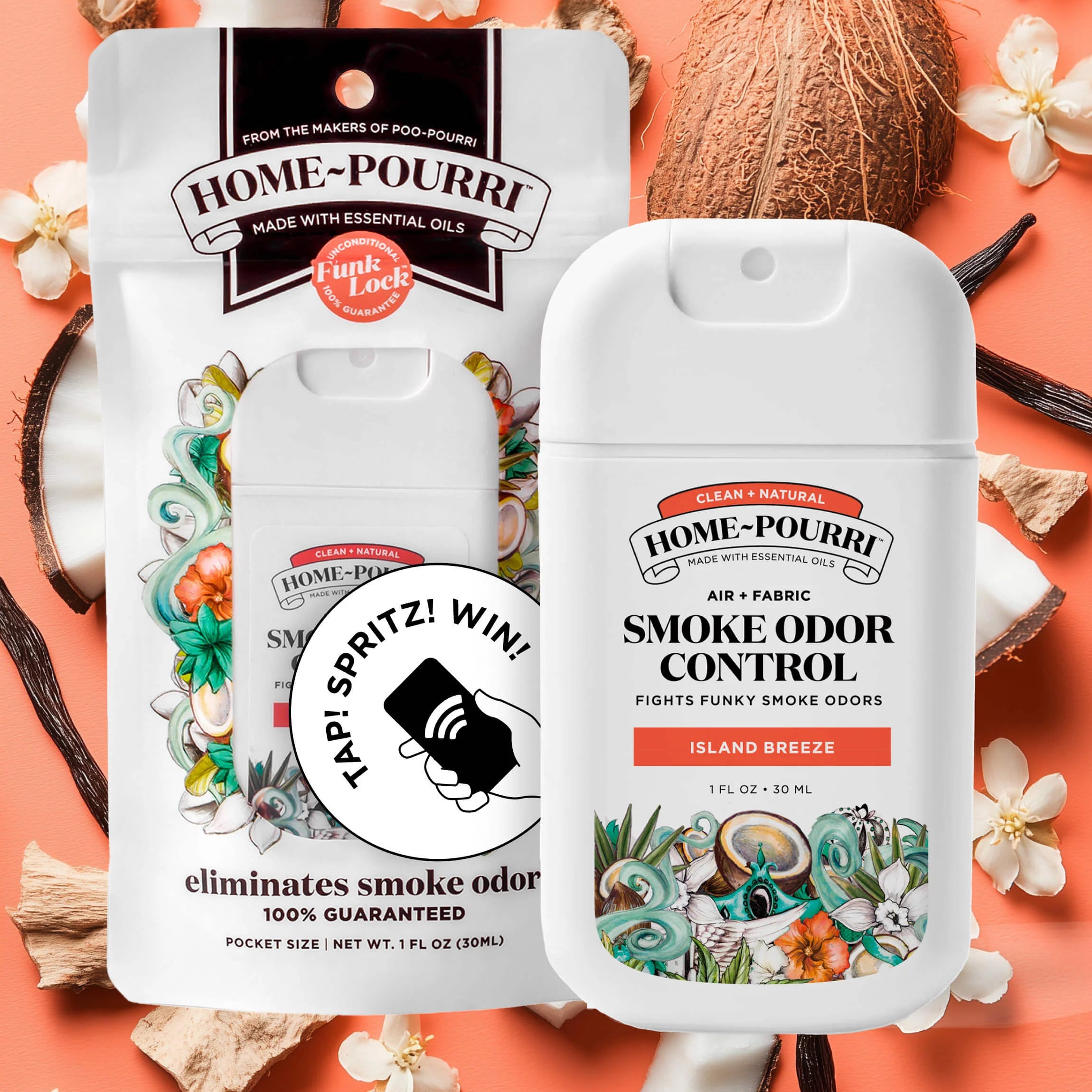
If you love the idea of a portable spray for on-the-go freshness, consider the Pawsitively Fresh Pocket Sprayer—a compact, travel-friendly option that fits in your bag or car. It's perfect for freshening up pet areas, cars, or small rooms without needing a diffuser setup.
Environmental Impact and Sustainability
From an eco-friendly perspective, room sprays generally have less environmental impact because they use minimal packaging and no electricity. Diffusers require energy to run and need periodic cleaning with water and vinegar, plus occasional replacement parts. However, diffusers reduce waste from aerosol cans and disposable air fresheners. Both are far better than synthetic plug-ins that contain phthalates and VOCs. Choose reusable glass bottles for room sprays and diffusers made from sustainable materials like bamboo or ceramic to minimize your footprint.
Conclusion: Which Is Better for Your Home?
The answer depends on your lifestyle. If you prioritize convenience, portability, and instant scent control, a natural room spray is the clear winner. If you want a consistent, long-lasting atmosphere and don't mind a bit of setup, an essential oil diffuser is an excellent choice. Many people find that using both—a diffuser for the living room and a spray for the bathroom or car—gives them the perfect balance.
At Pourrimalls, we offer a wide range of natural home fragrance products to suit every space. Whether you're looking for a quick freshener or a continuous mist, you'll find non-toxic options that are safe for your family and the planet.
Ready to try a natural room spray for yourself? Explore the Bamboo Rain - Home~Pourri Room Spray and bring a calming, natural scent to your home today.