Natural vs. Synthetic Fragrances: Why Essential Oils Win for Home and Car
By Pourrimalls | Published: 2026-05-25
Category: Product Reviews
Discover why natural essential oils outperform synthetic fragrances for home and car freshness. Learn the science, safety, and scent benefits of clean ingredients with Pourrimalls.
When you walk into a room or open your car door, the first thing you notice is often the scent. Fragrance sets the mood, evoking memories, influencing emotions, and even affecting your sense of well-being. But not all fragrances are created equal. In the growing debate between natural and synthetic scents, consumers are increasingly asking: Which is truly better for my home, my car, and my health?
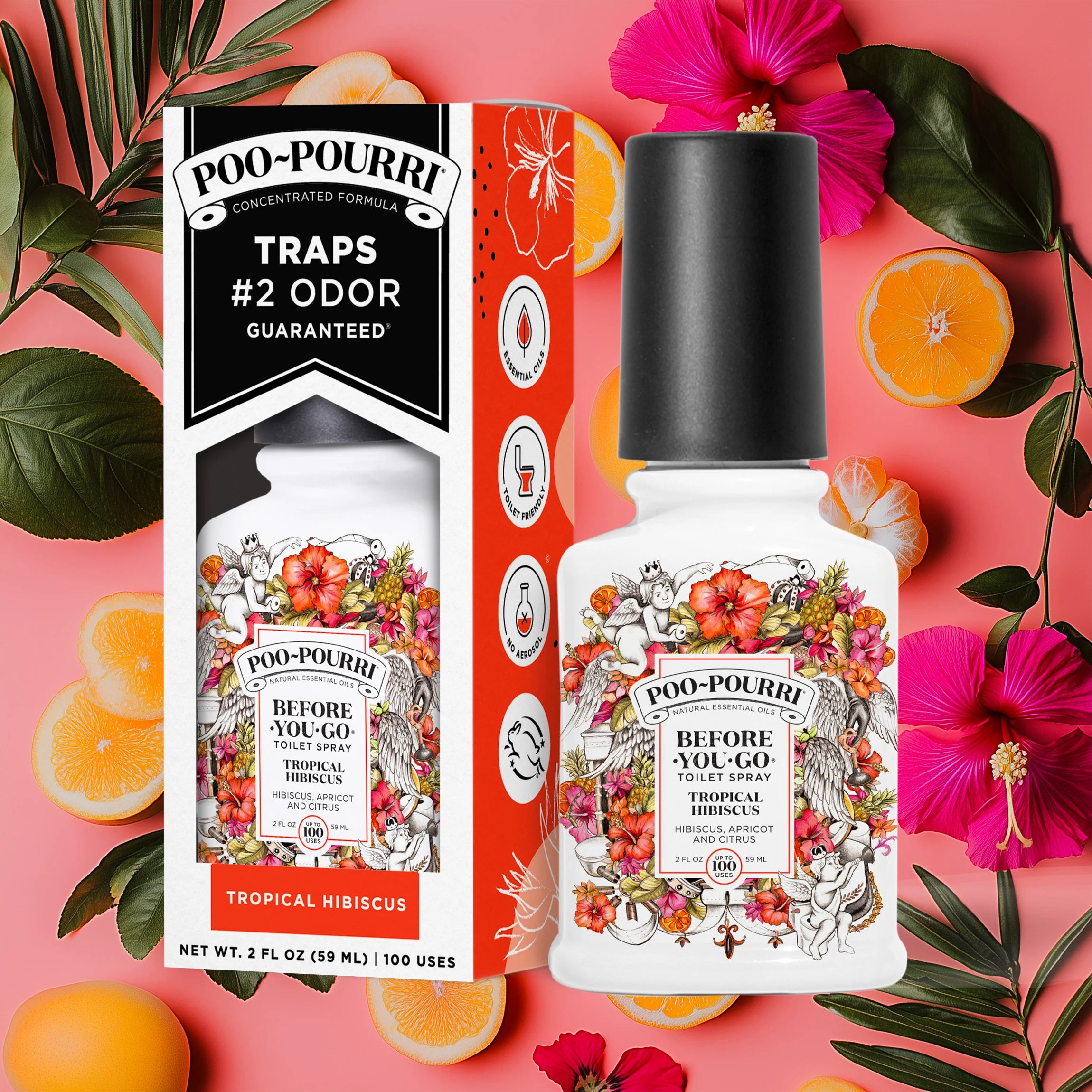
At Pourrimalls, we believe in the power of nature. Our entire product line—from Fresh Air - Poo~Pourri Toilet Spray to our car and home collections—is built on the foundation of pure essential oils and plant-derived ingredients. In this article, we'll compare natural vs. synthetic fragrances across key factors: health impact, performance, environmental footprint, and overall value. By the end, you'll understand why essential oils win—and how to make the switch for a fresher, cleaner life.
What Are Natural Fragrances?
Natural fragrances are derived directly from plant sources—flowers, fruits, leaves, bark, resins, and roots. Extraction methods include steam distillation (for essential oils), cold pressing (for citrus oils), and solvent extraction (for absolutes). These oils retain the complex chemical profile of the original plant, offering nuanced aromas that synthetic blends struggle to replicate.
Common Natural Fragrance Sources
- Essential oils (e.g., lavender, eucalyptus, peppermint)
- Concretes and absolutes (e.g., jasmine, rose)
- CO2 extracts (e.g., vanilla, ginger)
Natural fragrances are prized for their therapeutic benefits—many essential oils have antimicrobial, anti-inflammatory, or mood-enhancing properties. They are also biodegradable and free from phthalates, parabens, and other synthetic stabilizers.
What Are Synthetic Fragrances?
Synthetic fragrances are created in laboratories by combining isolated aroma chemicals—some of which may mimic natural scents, while others are entirely new molecules. They are the backbone of most commercial air fresheners, candles, and personal care products because they are cheap to produce and can be made consistent batch after batch.
Common Synthetic Fragrance Components
- Phthalates (used to prolong scent longevity)
- Synthetic musks (e.g., galaxolide, tonalide)
- Artificial aldehydes (e.g., Lilial, Lyral)
- Solvents and stabilizers (e.g., dipropylene glycol)
While synthetic fragrances can smell pleasant, they often come with hidden downsides—skin irritation, respiratory issues, and environmental persistence. The term "fragrance" on an ingredient list can legally hide dozens of undisclosed chemicals.
Health and Safety: Natural Fragrances Lead the Way
One of the most compelling reasons to choose natural over synthetic is health. Studies have linked synthetic fragrances to headaches, allergies, asthma attacks, and hormone disruption (due to phthalates). The American Academy of Dermatology warns that fragrance is the most common cause of contact dermatitis.
In contrast, 100% pure essential oils—when used properly and in appropriate dilutions—are generally safe for most people. For example, the cedarwood and eucalyptus in our Cedarwood Eucalyptus - Sole~Pourri Shoe Deodorizer provide a grounding, antimicrobial aroma without the risk of chemical sensitivities. While some essential oils (like citrus) can cause phototoxicity in high concentrations, they are far less likely to trigger chronic issues than synthetic blends.
Quick Comparison Table: Health Factors
| Factor | Natural Fragrances | Synthetic Fragrances |
|---|---|---|
| Phthalates | None | Common |
| Allergen labeling | Transparent (citral, limonene, etc.) | Often hidden under "fragrance" |
| Respiratory irritation | Rare (except for asthmatics with certain oils) | Frequent |
| Hormone disruption | Not associated | Linked to phthalates and synthetic musks |
| Biodegradability | High | Low (persist in waterways) |
Scent Complexity and Performance: Natural Wins Depth, Synthetic Wins Consistency
Synthetic fragrances are designed to be linear—they smell the same from first spritz to last. This can be appealing for products like car fresheners, where you want a predictable experience. However, many synthetic scents come across as "flat" or "chemical" to discerning noses.
Natural essential oils offer a dynamic, evolving aroma. For instance, a blend of mandarin and mimosa will have bright top notes of citrus, a floral heart, and a soft, powdery dry-down. The Mandarin Mimosa - Poo~Pourri Toilet Sprays is a perfect example—each spray releases layers of scent that unfold over minutes, creating an experience that feels alive and luxurious.
That said, natural fragrances can be more variable due to harvest conditions, and they generally have a shorter shelf life (6–12 months for citrus oils, 2–3 years for woods and resins). If you need a scent that lasts for months in a hot car, a high-quality natural formulation—like those in Pourrimalls' car line—still outperforms synthetics when properly stabilized with antioxidants.
Environmental Impact: A Clear Win for Natural
From sourcing to disposal, natural fragrances have a lighter footprint. Essential oils are renewable, biodegradable, and often sourced through ethical partnerships (e.g., fair-trade vanilla or organic lavender). Synthetic fragrance production, by contrast, relies on petrochemicals, generates chemical waste, and contributes to microplastic pollution (many synthetic musks are now found in ocean sediments and human breastmilk).
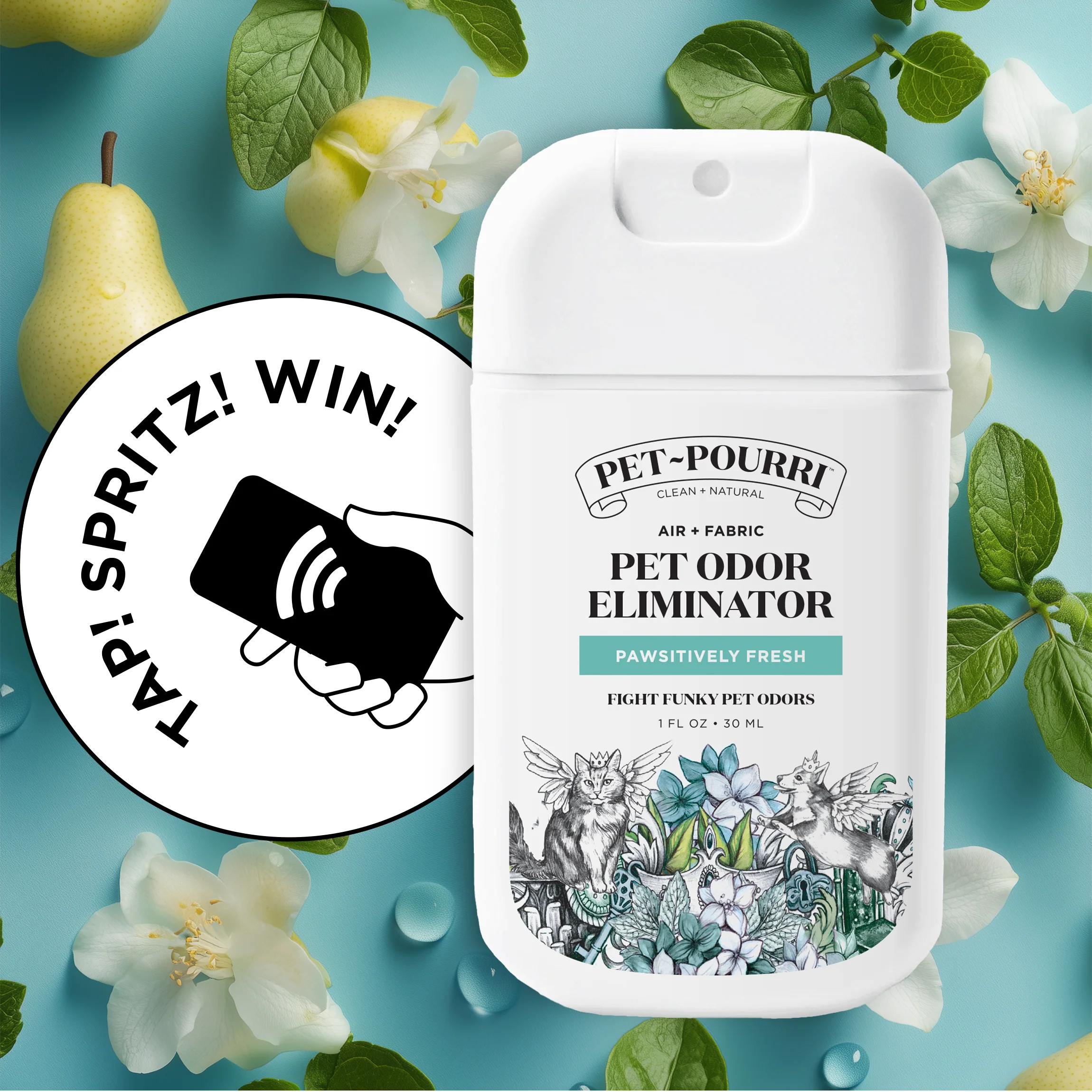
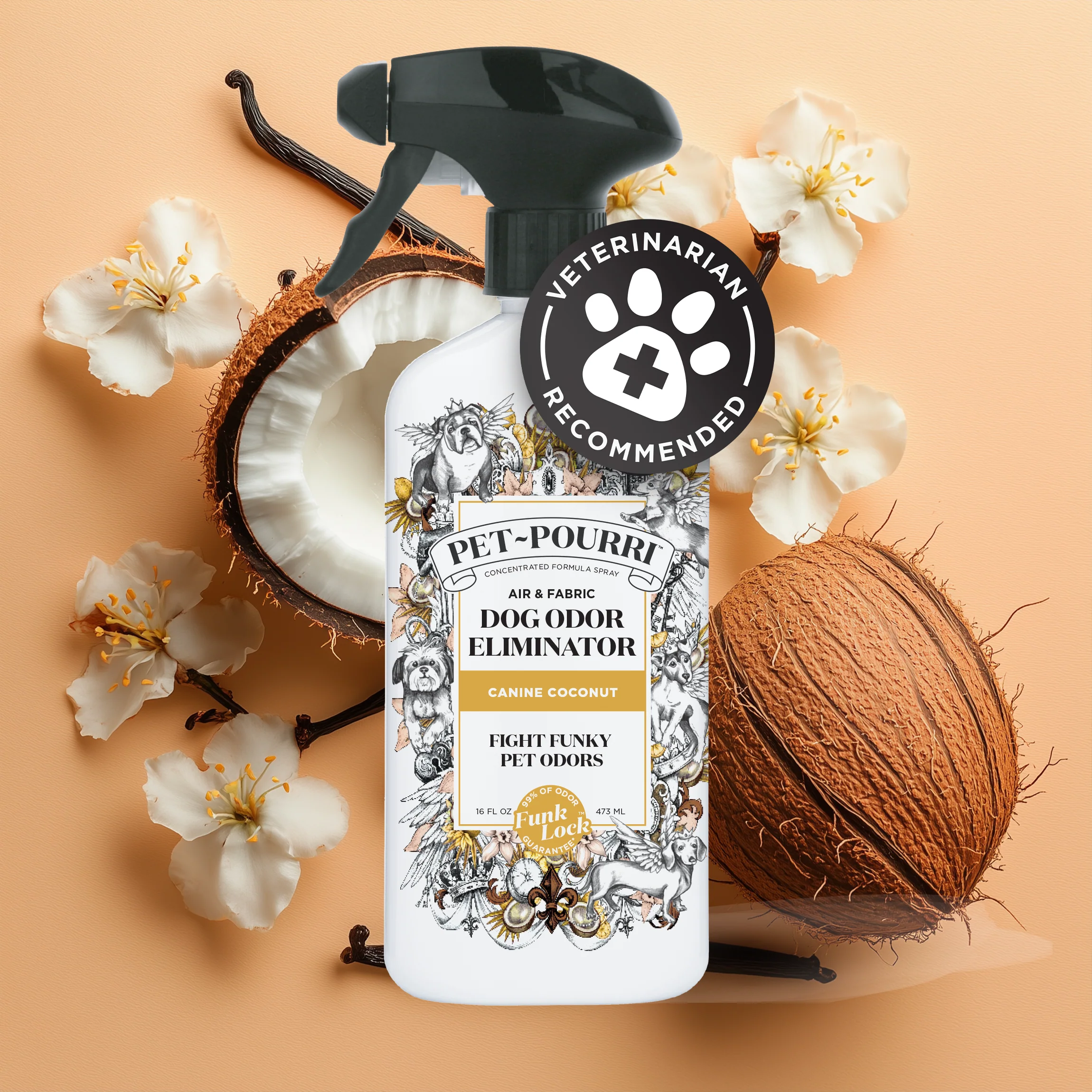
Pourrimalls is committed to clean ingredients across all categories—from Dog Coat Refresher - Pet~Pourri to our home sprays. By choosing natural, you support sustainable agriculture and reduce your exposure to persistent pollutants.
Cost Analysis: Is Natural Worth the Premium?
There's no denying that natural fragrances are more expensive. A 10ml bottle of pure essential oil can cost $5–$20, while a synthetic fragrance oil of the same volume may be $1–$3. This cost difference is reflected in finished products: a natural air freshener might retail for $8–$15, while a synthetic one could be $3–$5.
However, consider the value proposition:
- Efficacy: Natural sprays often require fewer pumps to achieve the same odor elimination (because essential oils work on a molecular level to neutralize smells, not just mask them).
- Health savings: Avoiding headaches, allergies, and doctor visits can offset higher upfront costs.
- Concentration: Many natural products are highly concentrated—a single bottle of Poo~Pourri spray lasts for 60–80 uses.
When you factor in the peace of mind that comes with knowing exactly what's in your air, the premium is well worth it.
How to Transition from Synthetic to Natural Fragrances
Making the switch doesn't have to be overwhelming. Start with one area of your life:
- For your home: Replace plug-in synthetic air fresheners with essential oil diffusers or natural sprays. Try the Cucumber Aloe Flushable Wipes - Poo~Pourri for a fresh, clean scent in every bathroom.
- For your car: Swap hanging cardboard trees for a natural car diffuser or spray. Pourrimalls' car line uses essential oils that withstand temperature fluctuations without turning rancid.
- For your pets: Use pet-safe natural products like our Pet~Pourri collection—free from synthetic perfumes that can irritate sensitive noses.
- For yourself: Choose natural deodorants, lotions, and perfumes. Your skin and lungs will thank you.
Final Verdict: Why Essential Oils Win
When you compare natural vs. synthetic fragrances across health, scent quality, environmental impact, and long-term value, the choice is clear. Natural essential oils deliver a richer, safer, and more sustainable fragrance experience. They don't just mask odors—they neutralize them, uplift your mood, and connect you to the natural world.
At Pourrimalls, we've built our entire brand around this philosophy. From our signature Fresh Air - Poo~Pourri Toilet Spray to our car deodorizers and pet refreshers, every product is crafted with plant-based ingredients and zero synthetic fragrances. Your home and car deserve the best—and nature provides it.
Ready to experience the difference? Explore our full collection of natural home and car fragrances at Pourrimalls. Start with the Cedarwood Eucalyptus - Sole~Pourri Shoe Deodorizer—a perfect introduction to the power of pure essential oils for every space in your life.